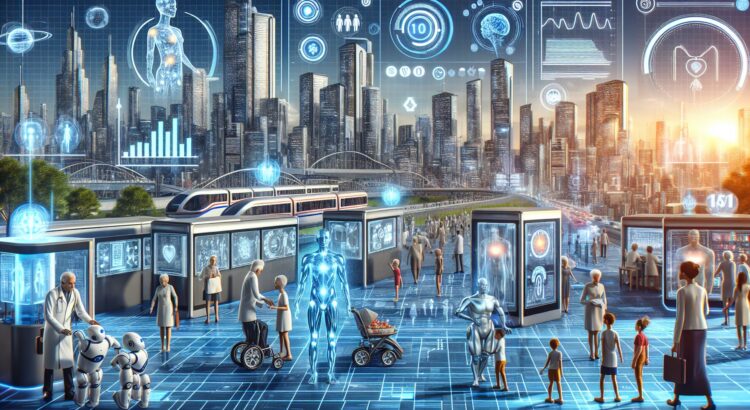
As we start another decade, the quest for longevity remains one of humanity’s oldest dreams and one of today’s most fascinating tech stories. With what feels like constant breakthroughs in biotechnology, artificial intelligence, and genomics, we’re on the edge of a revolution that could extend human life like never before. Let’s explore how these advances are pushing boundaries and potentially redefining what it means to be human!
The Longevity Tech Boom: What’s Cooking?
Let’s face it: the idea of living longer, healthier lives isn’t just a daydream anymore; it’s a tech startup’s wet dream! Venture capitalists are pouring money into longevity research as if it were the new goldmine. In the past few years, we’ve seen funding for life-extension startups explode. From gene editing to cellular reprogramming, the options are exciting and downright mind-boggling.
Take Calico, for instance, a company that Google launched to extend human lifespan. They’re investing heavily in understanding the biology of aging by using cutting-edge AI research to decode age-related diseases. Their goal? Find the holy grail of not just living longer but also living better. And they aren’t alone. With a growing number of longevity-focused ventures, it’s clear we’re entering an age where our potential lifespan could double or even triple.
AI Meets Longevity: The Perfect Pairing
Artificial Intelligence is proving to be a game changer in the longevity sector. By working with massive datasets, AI algorithms can sift through billions of data points, helping researchers identify patterns and targets for interventions that could slow down aging.
The partnership between AI and biotechnology is already producing impressive results. For instance, researchers are using machine learning to analyze gene sequences and discover genetic factors tied to longevity. This could lead to actionable insights that could be applied to gene therapy, targeting the very mechanisms of aging.
Consider companies like Unity Biotechnology, which focuses on creating therapies that clear out senescent cells—those rogue cells that accumulate as we age and contribute to age-related diseases. By applying AI to analyze the effectiveness of their drug candidates, they’re moving faster than ever. This fusion of longevity research and AI could soon produce treatments that allow us not merely to age gracefully but to halt aging itself.
Genomics: Rewriting the Blueprint of Life
The Human Genome Project opened the door for genomics innovations that have pushed us into a new era of personalized medicine. The ability to read and write DNA—thanks to CRISPR technology—has opened doors once thought to be locked forever.
Imagine a future where we can customize our genetic blueprints to enhance longevity. CRISPR not only allows us to modify genes to eliminate disease but also lets us tweak genes involved in aging. With advances in synthetic biology, the potential to change our biological makeup becomes less science fiction and more reality.
It’s no longer speculation. Companies like Editas Medicine are stepping onto the stage of gene editing with their therapies that target genetic forms of blindness and blood disorders, all while getting one step closer to developing potential solutions for age-related conditions.
Big Pharma vs. Bayesian Models
In the race toward longevity treatments, the competition is fierce, and innovation is everything. Traditional big pharma companies are realizing that they need to adapt or risk becoming obsolete. The old approach of one-size-fits-all medications is becoming less effective, and as we lean into personalized medicine, companies are starting to embrace Bayesian models to make data-driven decisions about treatment effectiveness in real-time.
These models allow researchers to integrate new data as it comes in, refining their understanding of which treatments work particularly well based on individual patient profiles. The end goal? No more trial-and-error drug prescriptions! This tailored approach not only has the potential to advance longevity treatments faster but also enhances patient safety and improves outcomes.
Wearable Tech: Tracking the Path to Longevity
If you think wearables are just for fitness enthusiasts, think again. Devices like the Apple Watch or Fitbit are evolving from simple step counters to advanced health monitoring systems that can provide invaluable data regarding our health and longevity prospects.
Currently, wearables can track heart rate, blood oxygen levels, and even stress levels, but the next generation is set to revolutionize everything. Imagine wearables that integrate AI algorithms to give you tailored advice based on your unique biological markers—everything from suggesting specific foods for longevity to alerting you when you’re at risk of a potential health crisis.
Strava, a popular social network for athletes, has introduced features that analyze athletic performance data and offer personalized recommendations for improving longevity-related health metrics. This very data could be crucial for ongoing research into how our lifestyle choices impact our lifespan.
Ethical Dilemmas and Societal Implications
While it’s easy to get excited about these advances, we must pause to consider the ethical implications and societal ramifications. If technology enables us to live significantly longer lives, what does that mean for resource allocation, overpopulation, or quality of life? How do we balance access to these technologies so that they don’t just become a privilege of the wealthy elite?
As we advance, conversations must happen regarding ageism and the societal frameworks that govern how we view aging. Longevity technology shouldn’t just aim to extend lifespan but also enrich our quality of life in those added years. We must strive for a society that values the experience and wisdom of older generations while ensuring that we encourage inclusivity and accessibility.
Conclusion: The Road Ahead
We’re standing at a promising intersection where technology and biology work together toward a common goal: an enhanced human lifespan. Our understanding of aging is improving at a dizzying pace, thanks to breakthroughs in AI, genomics, and personalized medicine. Emerging technologies in the longevity sector present unprecedented opportunities to redefine our relationship with aging and longevity itself. As we navigate the complexities of this brave new world, balancing innovation and ethics will be crucial.
So here’s the burning question: What kind of future do we want to build? One where a longer life is accompanied by richness in experience, wisdom, and health? Or one where additional years exist only for the privileged few? As we sail toward this new horizon, let’s ensure that the quest for longevity leads to true enrichment of life for everyone.
Pack your bags—this journey into the future of longevity has only just begun. Stay tuned for more updates on what’s shaking in the tech world!